

 Blog
BlogA power of attorney in Turkey, or vekaletname, allows a foreign client to authorize a lawyer or another representative to act in Turkey without being personally present for every signature, registry appointment or administrative step. It is used in property transactions, litigation, immigration files, company formation, bank procedures, inheritance and family-law matters.
The legal risk is not only whether the document can be issued. The real question is whether the power of attorney gives the right powers, in the right form, through the right notary or authentication route, and without granting unnecessary control over money, property or company decisions.
Contents
1. Short Answer
Foreigners can issue a power of attorney for use in Turkey before a Turkish notary, at a Turkish consulate abroad, or through a foreign notary followed by apostille or consular legalization and sworn Turkish translation. The best route depends on where the client is, which institution will use the document, and how urgent the underlying transaction is.
A good Turkish POA is not simply broad. It is controlled. It should name the principal and representative accurately, define the exact transaction, grant the powers needed to complete that transaction, and avoid extra powers that the client does not intend to give.
| Before signing | Check this point |
|---|---|
| Purpose | Property, bank, company, court, immigration or inheritance matters need different wording. |
| Signing route | Turkish notary, Turkish consulate or foreign notary route creates different timing and document requirements. |
| Scope | The authority should be sufficient for the task but limited against unnecessary control. |
| Institutional acceptance | Land Registry, banks, Trade Registry, courts and migration offices may read the POA differently. |
| Revocation plan | For high-value transactions, the client should know how and when the authority will be revoked. |
2. What A Power Of Attorney Does In Turkey
A power of attorney creates authority for another person to act on behalf of the principal. In Turkey, that authority is used at official counters, notaries, courts, banks, registry offices and administrative bodies. The representative can only act within the scope given by the document and within the limits accepted by the relevant institution.
For foreign clients, the POA often becomes the bridge between an overseas client and a Turkish file. It may allow counsel to file a lawsuit, attend a Land Registry transfer, collect documents, open a company, deal with the tax office, submit immigration paperwork or follow a bank procedure. Because the document can create real legal consequences, it should be drafted as part of the transaction, not as a generic template.
3. General POA Or Special POA?
A general power of attorney grants wide authority and may include powers that the principal did not intend to give for a specific matter. A special power of attorney is drafted for a defined transaction or file. For most foreign-client matters in Turkey, a special POA is safer because it creates authority with boundaries.
The choice is not only about length. A narrow POA may be rejected if it omits an essential power. A broad POA may be accepted but risky because it allows acts beyond the intended file. The drafting should therefore answer two questions at the same time: what must the representative be able to do, and what should the representative not be able to do?
| Risky approach | Safer approach |
|---|---|
| To handle all business affairs | To sign incorporation documents before the Trade Registry for a named company setup. |
| To carry out all banking transactions | To submit bank account opening documents for a specific purpose, subject to bank approval. |
| To buy and sell all real estate | To purchase or sell a defined property or transaction type within written client instructions. |
| To sign all contracts | To sign a specific contract category with limits on price, term or subject matter where appropriate. |
4. Three Signing Routes For Foreigners
Foreign clients usually have three practical routes. If they are physically in Turkey, they can sign before a Turkish notary. If they are abroad, they can sign before a Turkish consulate, or they can sign before a foreign notary and complete the authentication chain for use in Turkey.
The Turkish notary route is usually the fastest when the client is in Turkey. The consular route is often clean because the document is issued through Turkish official channels abroad. The foreign notary route can be flexible, but it carries the highest risk of format mismatch, apostille delay or translation issue.
5. Signing Before A Turkish Notary
When the foreign client is in Turkey, signing before a Turkish notary is often the most direct route. The client usually needs an original passport, a Turkish tax number where relevant, photographs where the transaction requires them, and a sworn interpreter if the client does not understand Turkish sufficiently.
The interpreter is not cosmetic. The notary must be satisfied that the principal understands the content before signing. If the POA will be used for a high-value transaction, the wording should be prepared and reviewed before the notary appointment so that the notary visit does not become a rushed drafting exercise.

6. Signing At A Turkish Consulate Abroad
A Turkish consulate abroad can issue a Turkish-format power of attorney for a client who cannot travel to Turkey. This route is useful because the resulting document is issued by a Turkish authority and can often be used in Turkey without a separate apostille or foreign notary chain.
Consulate appointment availability, required documents and local practice should be checked before relying on this route for a fixed closing, hearing or registry deadline. The client should also take pre-drafted Turkish scope wording to the appointment. Consulate staff are not a substitute for transaction-specific legal drafting.
7. Foreign Notary, Apostille Or Consular Legalization
If the client signs before a foreign notary, the document must be made usable in Turkey. For countries in the Hague Apostille system, an apostille from the competent authority is usually required. For countries outside that system, consular legalization may be necessary.
After authentication, the document usually needs sworn Turkish translation and notarial certification in Turkey. The apostille or legalization text should be included in the translation where relevant. The original authentication chain should be preserved because Turkish institutions may want to see how the foreign-issued document became legally usable in Turkey.
Foreign notary files fail most often because the format does not match Turkish institutional expectations: missing photograph for property files, insufficient identity verification wording, apostille placed on an unconnected page, local-language document with unclear Turkish translation, or authority wording that a Turkish office cannot map to the requested transaction.
8. Turkish Translation, Names And Document Format
Every detail matters. The principal's name, passport number, date of birth, nationality, address and the representative's details should match the rest of the transaction file. A spelling difference between passport, translation, tax number record, title deed file or bank document can delay a transaction.
For documents signed abroad, the Turkish translation should not simplify the authority. It should accurately reflect the original. If the original is bilingual, the translation route should be planned so that the Turkish notary and receiving institution can understand which language version is being certified.
9. Property POA: Title Deed, Sale, Purchase And Citizenship Files
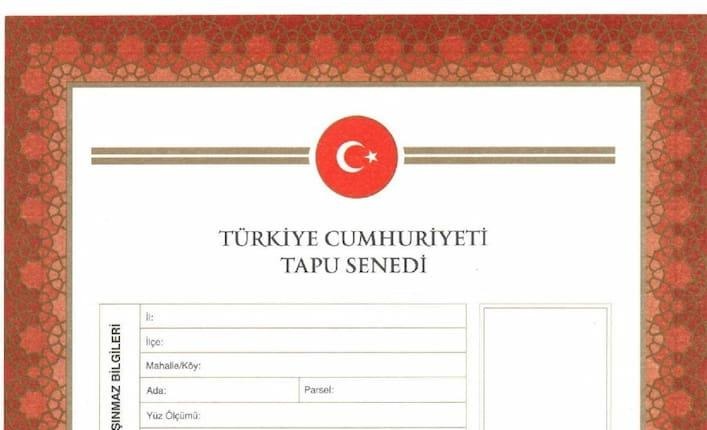
Real estate powers require particular care because the Land Registry will examine whether the representative has authority for the exact act to be performed. Purchase, sale, mortgage, annotation, valuation, tax, DASK, utility and citizenship-related steps should not be assumed to be covered by vague wording.
For property files, the POA should be coordinated with the sale contract, payment route, title deed information, foreign currency purchase document, valuation report and tax steps. Where citizenship by investment is involved, additional powers may be needed for annotation and citizenship file coordination.
Official Land Registry guidance also treats foreign-issued powers of attorney as a formal document category. In property files, photograph, seal, apostille or legalization and format requirements should be checked before a closing date is fixed.
10. Company Formation And Commercial POA
Company formation POAs should be drafted around the incorporation sequence. The representative may need authority to sign articles of association, deal with the Trade Registry, obtain a tax number, submit documents to the tax office, arrange signature circulars, follow chamber procedures, deposit capital and communicate with banks.
A generic business POA can be both too wide and incomplete. It may grant broad contract authority but omit the exact registry or tax authority needed for the first filing. For foreign founders, a special POA tied to the company formation plan is usually more protective.
11. Banking POA And Account Restrictions
Banks in Turkey do not treat a POA as automatic approval. Even where the document grants banking authority, the bank may still apply KYC, beneficial ownership, source-of-funds, sanctions and internal compliance checks. Some banks may limit what can be done by representative, especially for account opening, online banking, high-value transfers or corporate accounts.
The POA should not promise what the bank may refuse. For banking files, the client should prepare identity documents, tax number, address evidence, source-of-funds documents and, for companies, shareholder and beneficial ownership records. The representative's authority should match the bank's practical acceptance standards.
12. Litigation, Enforcement And Settlement Powers
Litigation powers are different from routine administrative powers. A lawyer's court POA may need authority to file claims, defend proceedings, receive notices, appeal, appoint substitute counsel, settle, waive, accept claims, collect funds or participate in criminal complaints, depending on the case.
Settlement, waiver and receipt of money should be treated with care. They can materially affect the client's rights. Where the client wants representation in court but does not want counsel to settle or waive claims without further instruction, the scope should be drafted accordingly.
13. Revocation: How To Cancel A POA
A power of attorney can be revoked, but revocation should be handled formally. In Turkey, this is usually done through a notarial revocation document. If the POA was used at a bank, Land Registry, company, court, notary or counterparty, the relevant institution may also need notice.
For high-value matters, revocation should be part of the closing checklist. After a property transfer, company formation or bank procedure is completed, the client should consider whether the POA should remain active, be narrowed, or be revoked and notified to relevant institutions.
14. Red Flags Before You Sign
The following points should be reviewed before the client signs or sends the original POA to Turkey:
- The document grants authority to sell, mortgage, borrow, settle or receive money although the transaction does not require it.
- The POA is copied from an online template and does not name the Turkish institution or transaction.
- The foreign notary will not affix or seal a photograph where a property file may require it.
- The apostille or legalization chain is unclear or separated from the document in a way that may create acceptance risk.
- The client does not understand the Turkish wording and no sworn interpreter or reliable translation has been used.
- The representative can appoint others, but the client has not considered whether sub-delegation should be allowed.
- The POA has no expiry date although it is for a one-off transaction.
- The client plans to use one POA for property, banking, company and litigation matters without reviewing the combined risk.
15. How Legal Istanbul Reviews A POA File
Legal Istanbul reviews power of attorney files by first identifying the underlying transaction. We check whether the document will be used for property, bank, company, litigation, immigration, inheritance or family-law purposes, and then match the authority language to the institution that must accept it.
The review also covers the signing route, apostille or consular legalization, sworn translation, photograph and identity details, sub-delegation, receipt of money, settlement powers, expiry date and revocation strategy. The aim is to make the POA usable in practice while keeping the client's authority controlled.
Consultation for Power of Attorney in Turkey
Send the intended transaction, country of signing, deadline and draft wording to Legal Istanbul. We will examine the message and respond with the likely legal route for the POA file.
Primary public reference points include Turkish notary and consular practice, Land Registry guidance on foreign-issued powers of attorney, TKGM guidance on photographs in powers of attorney, apostille practice and institution-specific acceptance rules.
Frequently Asked Questions
Can a foreigner issue a power of attorney in Turkey?
Yes. A foreigner may sign before a Turkish notary in Turkey, at a Turkish consulate abroad, or before a foreign notary followed by apostille or legalization and sworn Turkish translation.
Is a general POA safe for foreigners?
Not always. A general POA may grant wider authority than the transaction requires. A special POA is usually safer for property, company, bank and immigration matters.
Does a POA signed abroad need apostille?
If the document is signed before a foreign notary in an apostille country, apostille is usually required. In non-apostille countries, consular legalization may be necessary.
Can a POA be used to buy or sell property in Turkey?
Yes, if the POA includes the required Land Registry authority and complies with the format expected for the specific property transaction.
Can a POA open a bank account in Turkey?
Sometimes, but banks may still require KYC, source-of-funds and internal compliance approval. A POA does not override bank acceptance rules.
Can I revoke a Turkish power of attorney?
Yes. Revocation should be done formally and the relevant representative, bank, registry, court or counterparty should be notified where necessary.
Should a POA have an expiry date?
For one-off or sensitive transactions, an expiry date or post-closing revocation plan can reduce unnecessary ongoing authority.