

 Блог
БлогГражданство Турции за инвестиции может быть привлекательным для инвесторов, которые уже планируют покупку недвижимости в Турции, но его нельзя считать автоматическим бонусом к продаже. Недвижимость должна подходить, платежный след должен быть чистым, а документы заявки должны быть юридически согласованы.
До подписания или депозита инвестор должен понимать, что путь к гражданству проверяется через документы. Титул, оценка, статус продавца, валютные документы, банковские переводы, семейные документы и трехлетняя аннотация должны образовывать единую юридическую историю.
Содержание
1. Краткий ответ
Иностранный инвестор не должен полагаться на покупку недвижимости для гражданства, пока юридический файл не проверен. Файл должен показывать, что объект, продавец, цена, оценка, платежи, DAB, аннотация и сертификат соответствия могут выдержать административную проверку.
Самое безопасное время для проверки - до задатка, доверенности и договора. После передачи тапу возможности исправления обычно уменьшаются, а некоторые ошибки могут сделать объект слабым или непригодным для гражданства.
Поэтому покупка для гражданства должна оцениваться как единый юридический файл: сделка с недвижимостью, банковская цепочка, валютные документы, семейные документы, ВНЖ и последующее заявление на гражданство должны быть согласованы заранее.
2. Что на самом деле требует правило USD 400,000
Маршрут недвижимости часто описывается как покупка на USD 400,000, но на практике порог нужно читать через весь файл. Цена, оценка, платежи, валюта, продавец, аннотация и сертификат соответствия должны вместе поддерживать требование.
Цена в частном договоре сама по себе недостаточна. Компетентные органы могут проверять, подтверждают ли документы реальную инвестицию, соответствует ли объект требованиям и не содержит ли платежная структура риска.
Если покупатель достигает порога несколькими объектами, частичными платежами или сложной структурой, каждый слой должен быть документирован так, чтобы административный орган мог проследить инвестицию.
Порог также нельзя оценивать только в день рекламы объекта. Валютные даты, отчет оценки, фактическая цена, банковские записи и дата передачи могут влиять на то, выглядит ли инвестиция убедительной для последующего административного файла.
3. Пригодность недвижимости нужно проверить до задатка
Первый юридический вопрос - можно ли безопасно использовать выбранный объект для гражданства. Право иностранной собственности, вид тапу, строительный статус, история объекта, прежнее использование в гражданском файле и ограничения должны быть проверены до задатка.
Коммерческие фразы вроде "подходит для гражданства" или "одобрено государством" не заменяют документальную проверку. Покупатель должен увидеть, что именно зарегистрировано, кто владеет объектом и какие записи могут повлиять на гражданский файл.
Если объект находится в проекте на стадии строительства, связан с обещанием продажи, имеет ипотеку, аннотацию, прежнюю иностранную собственность или неясный статус здания, риск нужно оценить до оплаты.
4. Тапу и история собственности
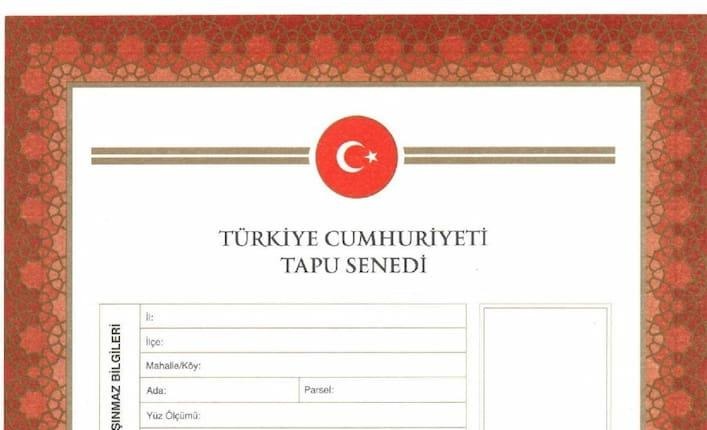
Запись тапу нужно читать как гражданский документ, а не только как доказательство собственности. Проверка должна определить владельца, вид объекта, долю, аннотации, ограничения, ипотеку, аресты, историю переходов и соответствие фактической недвижимости.
История собственности имеет значение. Если объект ранее был связан с файлом гражданства иностранного покупателя или недавно переходил между связанными лицами, орган может запросить дополнительную проверку.
Тапу также должно быть согласовано с оценкой, договором, платежами и аннотацией о запрете продажи. Несовпадение между этими документами может задержать или ослабить файл.
5. Продавец, связанная сторона и риск повторно использованного актива
Правовое положение продавца нужно проверить до оплаты. Если продавец - физическое лицо, его личность и запись собственности должны совпадать. Если продавец - компания, нужно проверить полномочия подписи, корпоративные документы и связь со сделкой.
Файлы гражданства могут стать чувствительными, если продавец является иностранцем, если объект недавно принадлежал иностранцу, если стороны связаны или если актив выглядит повторно использованным для инвестиционного маршрута.
Связанные стороны, неясные агенты, платежи на третьи счета и сделки между родственниками или связанными компаниями требуют дополнительного объяснения, потому что административный орган оценивает реальность инвестиции.
6. Отчет об оценке и риск порога
Отчет об оценке является одним из главных защитных документов файла. Это не простая банковская формальность. Он может показать, что рыночная стоимость не поддерживает ожидаемый порог, даже если договорная цена выглядит достаточной.
Отчет нужно получить достаточно рано, чтобы он мог повлиять на сделку. Если покупатель узнает после закрытия сделки, что оценка ниже требуемого уровня, исправление может быть сложным или невозможным.
Оценка должна соответствовать объекту, дате, площади, записи тапу и платежной структуре. Если отчет, договор и тапу описывают разные вещи, гражданский файл становится уязвимым.
Оценку также нужно читать вместе с коммерческой реальностью сделки. Завышенная договорная цена, скидка вне договора, платеж третьему лицу или неясная рассрочка могут создать вопросы, даже если формально сумма выглядит достаточной.
7. DAB, банковский перевод и доказательство оплаты
Платежный маршрут часто является местом, где гражданские файлы терпят неудачу. Инвестор не должен просто переводить иностранную валюту на любой счет, выбранный продавцом, без проверки договора, получателя, назначения платежа и документов DAB.
Платежи от родственников, компаний, офшорных счетов или нескольких отправителей могут требовать дополнительного объяснения. Описание банковского перевода должно поддерживать конкретную покупку и быть пригодным для последующей административной проверки.
DAB, банковские квитанции, договор, тапу и оценка должны рассказывать одну историю. Если деньги поступили не тому лицу, не в той валютной последовательности или без ясного назначения, позже может возникнуть проблема с сертификатом соответствия.
8. Трехлетняя аннотация о запрете продажи
Трехлетнее обязательство не продавать нужно рассматривать как основное юридическое требование. Аннотация должна быть внесена в земельный реестр правильно и соответствовать гражданскому файлу.
Покупатель должен понимать и коммерческое последствие аннотации. Объект нельзя свободно продать в ограниченный период, и это влияет на ликвидность, план выхода, финансирование и семейное планирование инвестора.
9. Обещание продажи, проекты на стадии строительства и несколько объектов
В некоторых случаях может использоваться нотариальное обещание продажи, если выполнены юридические условия и требуемая сумма уплачена заранее, с соответствующей аннотацией. Такой маршрут требует особенно тщательной документальной проверки.
Несколько объектов могут использоваться для достижения инвестиционного порога, если каждый актив и каждый платежный слой правильно документирован. Практический риск состоит в том, что один слабый объект или платеж может повлиять на весь файл.
Проекты на стадии строительства, будущие передачи, рассрочка и договоры с застройщиком должны быть проверены до того, как покупатель полагается на них как на гражданский маршрут.
10. Сертификат соответствия
После передачи объекта и аннотации файл переходит к этапу сертификата соответствия. Соответствующий орган проверяет, действительно ли инвестиция соответствует требованиям гражданства через недвижимость.
Покупатель должен хранить полный файл закрытия сделки: тапу, отчет оценки, DAB, банковские квитанции, документы продавца, доверенность, паспорт, налоговый номер, договор и все документы, показывающие связь платежей с объектом.
Если орган запрашивает дополнительное объяснение, ответ должен опираться на уже согласованную документальную историю. Попытка заново объяснить платежи или объект после закрытия сделки обычно слабее, чем подготовленный с самого начала файл.
11. ВНЖ, семейные документы и проверка безопасности
Инвестиционный маршрут обычно продолжается через этап ВНЖ и заявление на гражданство для инвестора и подходящих членов семьи. Поэтому документы семьи должны готовиться с такой же внимательностью, как платежные записи.
Написание имени в паспорте, свидетельство о браке, свидетельства о рождении, документы детей, апостиль, перевод и прежние гражданские записи должны быть согласованы. Малые расхождения могут задержать административную проверку.
12. Расходы, налоги и обязанности после закрытия сделки
Инвестиционный бюджет должен включать больше, чем цену объекта. Пошлины тапу, оценка, нотариат, перевод, налоги, страховка, управление объектом, банковские расходы и юридическая проверка должны быть учтены заранее.
Получение гражданства не означает автоматическое налоговое резидентство Турции. Налоговое резидентство зависит от отдельных правил, включая фактическое пребывание и центр жизненных интересов. Это нужно оценивать отдельно.
После закрытия сделки инвестор также должен понимать практические обязанности владельца: коммунальные действия, страхование, управление объектом, хранение документов, возможную аренду и последствия трехлетней аннотации для будущей продажи.
13. Красные флаги в файлах гражданства через недвижимость
Серьезными предупреждающими знаками являются давление оплатить задаток быстро, отказ показать актуальную запись тапу, расплывчатое обещание гражданства, платежи на третьих лиц, отсутствие логики DAB, низкая оценка, широкая доверенность и неясная история объекта.
Файл с одним красным флагом иногда можно исправить. Файл с несколькими предупреждениями обычно нужно остановить до согласования документов, потому что после оплаты покупатель теряет часть практического контроля.
Иностранный инвестор должен относиться к фразе "подходит для гражданства" как к коммерческому заявлению, пока она не подтверждена тапу, оценкой, платежами, аннотацией, продавцом и документами компетентного органа.
Если продавец, агент или застройщик обещает результат без предоставления документов, это должно рассматриваться как отдельный риск. Гражданство не вытекает из рекламной фразы; оно зависит от того, сможет ли весь файл пройти проверку компетентных органов.
14. Как Legal Istanbul оценивает файл
Legal Istanbul проверяет файлы гражданства через покупку недвижимости, соединяя сделку с будущей заявкой на гражданство. Мы смотрим объект, продавца, тапу, оценку, DAB, платежи, аннотацию, сертификат соответствия, доверенность и семейные документы.
Цель не в том, чтобы сделать обычную сделку чрезмерно тяжелой. Цель - предотвратить покупку, которая выглядит привлекательно коммерчески, но не выдерживает административную проверку гражданства.
Хороший файл позволяет инвестору понимать, почему объект подходит, как доказана инвестиция, какие документы будут нужны после закрытия сделки и какие риски нужно устранить до оплаты.
Такая проверка особенно важна, когда покупатель находится за рубежом, действует по доверенности, покупает несколько объектов, работает с застройщиком или получает большую часть информации от продавца и агента.
Консультация по гражданству Турции через покупку недвижимости
Отправьте основные факты, имеющиеся документы и срок или практическую проблему в Legal Istanbul. Сообщение будет изучено, после чего определяется юридический путь, подходящий для вашего дела.
Основные публичные ориентиры включают разъяснения Инвестиционного офиса, правила приобретения гражданства, требования TKGM к сертификату соответствия, правила DAB, земельный реестр и применимое законодательство.
Часто задаваемые вопросы
Достаточно ли USD 400,000 для гражданства Турции?
Это базовый инвестиционный порог для маршрута через недвижимость, но весь файл также должен соответствовать требованиям по оценке, оплате, тапу и заявлению.
Можно ли использовать несколько объектов?
Это может быть возможно, если структура, сроки, оценка и платежные доказательства поддерживают инвестиционный порог.
Можно ли продать недвижимость сразу после гражданства?
Нет. Маршрут через тапу требует трехлетнего обязательства не продавать объект.
Нужно ли платить задаток до юридической проверки?
Безопаснее завершить проверку тапу, продавца, договора и платежного маршрута до любого невозвратного платежа.
Может ли Legal Istanbul проверить файл до покупки?
Да. Мы можем проверить объект, договор, платежный маршрут, аннотацию и файл заявления на гражданство до закрытия сделки.